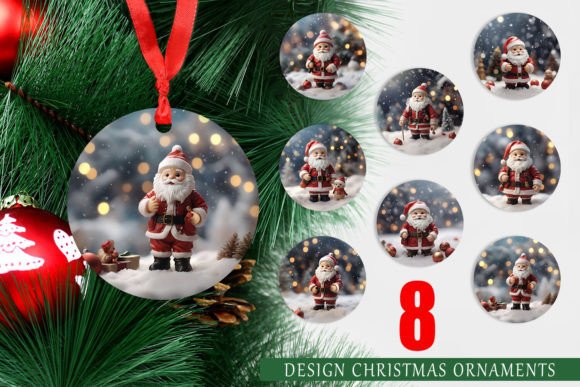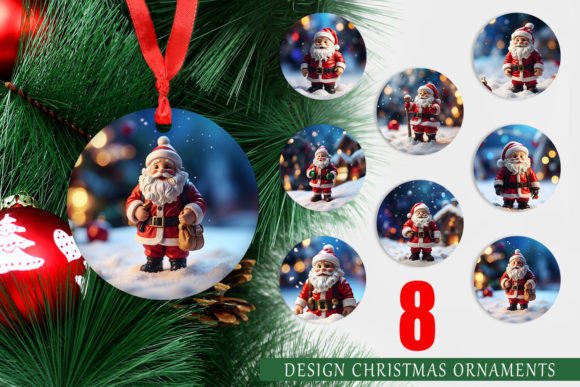
Ornament Santa Claus: A Designer's Real-World Embroidery Review
As someone who has spent years reviewing machine embroidery design files for everything from boutique branding to custom holiday gifts, I approach every new download with a mix of excitement and skepticism. There is nothing worse than loading a beautiful file into the hoop only to find it fails during stitching or looks muddy on the finished product. Today, I am putting Ornament Santa Claus through its paces to see if this Crafts category design is ready for your next big project.
My first impression of Ornament Santa Claus is one of immediate festive charm. The layout feels balanced, capturing the essence of a classic Christmas ornament without feeling cluttered. Unlike many holiday designs that rely on heavy, dense fill stitches that can warp fabric, this design appears to utilize a thoughtful mix of stitch types. It screams "handmade" rather than "factory mass-produced," which is exactly what customers are looking for when they browse Etsy listings or visit local craft fairs.
Putting Ornament Santa Claus to Work in Real Projects
Let me walk you through a specific scenario where I tested this design. I was preparing a batch of personalized tote bags for a small holiday market stall. The goal was to create a cohesive look that felt professional yet warm. I decided to use Ornament Santa Claus as the central motif on natural canvas totes, paired with simple white thread for a clean contrast.
The execution was smooth. The design held its shape well against the textured canvas, and the satin stitches around the edges provided a nice sheen that caught the light under the market tent lights. Customers didn't just see a bag; they saw a piece of art. This level of detail elevates a standard tote bag design into a premium gift item. When a buyer sees a crisp, well-stitched embroidered patch style design on a functional item, their trust in the quality of the entire product increases instantly.
I also considered how this embroidery file would translate to other mediums. Imagine applying Ornament Santa Claus to a baby onesie for a holiday photo prop. The rounded shape of an ornament works perfectly on the curved surface of a chest pocket or centered on the front of a bodysuit. It is versatile enough for sweatshirt embroidery as well, adding a touch of whimsy to a cozy winter hoodie. For holiday embroidery projects like pillow covers or tea towels, the design offers a focal point that anchors the composition without overwhelming the space.
Navigating Stitch Density and Fabric Choices
While the visual appeal is strong, a designer must always consider the technical constraints. Stitch density is the make-or-break factor for any commercial embroidery project. If the density is too high, the fabric will pucker, especially on thin materials. If it is too low, the design may look sparse and lack definition.
Ornament Santa Claus seems to strike a good balance, but caution is required when working with specific fabrics. On stretchy knits like jersey or fleece, you will need to be meticulous about your stabilizer choice. Using a cut-away stabilizer is often non-negotiable for maintaining the integrity of the design over time, particularly for items that will undergo frequent washing. If you plan to sell these items as part of a craft business, durability is paramount.
There are also situations where this design requires careful placement. Attempting to stitch Ornament Santa Claus inside a very small hoop might result in lost details, especially if the ornament features intricate patterns or tiny text. Similarly, applying this design to dark fabric requires a solid underlay strategy to ensure the colors pop. Without proper color contrast between the thread and the background, the design can disappear into the material. Always test your thread colors against your chosen fabric before committing to a full production run.
Where to Be Cautious
Not every surface is suitable for every design. Here are a few areas where Ornament Santa Claus might struggle if not handled correctly:
- Curved Surfaces: While caps and hats are popular for custom apparel, the curvature can distort the circular nature of an ornament. You may need to adjust the digitization or use a specialized cap frame to maintain the roundness.
- Textured Fabrics: Rough textures like bouclé or heavy denim can hide fine details. The design might lose its crispness on these surfaces.
- Layered Garments: Stitching over zippers, pockets, or seams can cause needle deflection. Ensure your design area is flat and free of obstructions.
- Dense Stitch Areas: If the design includes large blocks of fill stitch, it adds weight. On lightweight fabrics, this can lead to sagging after the first wash.
Elevating Your Brand with Professional Presentation
In the world of digital products and handmade sales, presentation is everything. A well-executed finished product tells a story. When you use a design like Ornament Santa Claus, you are selling more than just an image; you are selling the idea of a personal connection. Whether you are creating a personalized gift for a family member or a small shop product for a wider audience, the clarity of the embroidery reflects directly on your brand consistency.
I often recommend using printable mockups to visualize how the design will look on different items. Before you even thread your machine, place the digital embroidery file onto images of aprons, blankets, or nursery decor. This step helps you confirm whether the design fits the intended aesthetic. Does it look too busy on a small kitchen towel? Does it look charming enough on a large throw blanket? These questions guide your decision-making process.
For Etsy sellers and creative entrepreneurs, the ability to offer customization is a huge advantage. Ornament Santa Claus could serve as a base for adding names or dates, turning a generic holiday item into a cherished keepsake. However, remember to check the licensing terms carefully. Some files are restricted to personal use only, while others allow you to sell unlimited finished goods. Confirming these design assets rights is crucial to avoid legal issues down the line.
Final Design Notes for the Practicing Maker
Before you rush to start your next embroidery project, take a moment to review the technical specs. Since specific details like exact stitch counts or file formats were not provided in the initial description, you must verify these elements yourself. Test the design on scrap fabric first to gauge the tension and stability requirements. Inspect small details to ensure they have not been lost in translation during digitization.
It is also wise to compare the design in black and white mockups. Sometimes, a design looks vibrant in color but lacks sufficient contrast in grayscale, which can indicate potential issues with visibility on certain backgrounds. If you are using an applique design technique, ensure you have the correct backing materials ready to support the added layers.
Ornament Santa Claus is a strong contender for anyone looking to add a touch of holiday spirit to their repertoire. It balances nostalgia with modern design sensibilities, making it suitable for a wide range of applications from baby embroidery to boutique branding. By paying attention to fabric selection, stabilizer usage, and placement, you can ensure that your final output meets the high standards expected by discerning buyers. Ultimately, the best designs are those that perform reliably in real-world conditions, and this one shows great promise for both hobbyists and professionals alike.