T-Shirt with a Playful Wolf: A Designer's Real-World Review
When I first opened the file for T-Shirt with a Playful Wolf, my initial reaction wasn't about the stitch count or the file format. It was about the mood. In a sea of aggressive wolves, howling at the moon, or intricate geometric patterns, this design stands out because it feels approachable. As someone who has spent years reviewing embroidery files for both personal hobbies and commercial boutique lines, I know that the difference between a design that sells and one that gathers dust often comes down to personality. This piece doesn't just sit on the fabric; it invites the viewer in. The playful nature suggests a project that is meant to be touched, worn, and cherished.
I approached this review with a specific goal in mind: to see how T-Shirt with a Playful Wolf translates from a digital preview to a tangible handmade product. My testing scenario involved preparing a batch of custom embroidered tote bags and baby onesies for an upcoming craft fair. These are high-stakes projects where the margin for error is slim, and the visual impact must be immediate. Would this design hold up under the scrutiny of a busy customer? Could it handle the texture of canvas or the stretch of cotton jersey? Let's dive into the practical realities of using this embroidery design.
Visual Impact and Design Personality
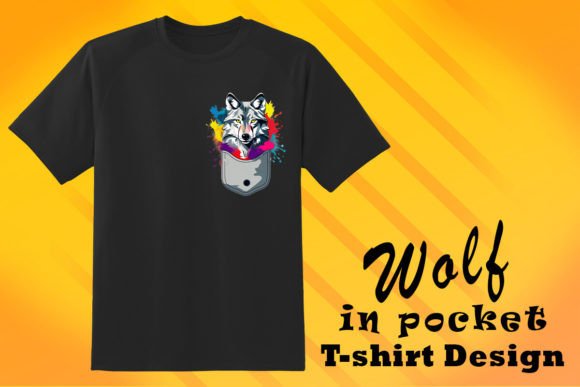
The layout of T-Shirt with a Playful Wolf strikes a balance between whimsy and structure. For a tote bag design or a sweatshirt embroidery project, the central placement works beautifully. The shape creates a focal point that draws the eye without overwhelming the garment. When I placed the digital mockup onto a light-colored canvas bag, the contrast was crisp, suggesting that the thread colors will pop against neutral backgrounds.
However, the true test of any machine embroidery design lies in its details. The playful expression relies on clean lines and distinct features. In my experience, designs with too much fine detail can get lost in dense fabrics like fleece, while overly simple designs might look cheap on premium materials. This wolf design seems to land in the sweet spot. It utilizes a mix of satin stitch for outlines and fill stitch for the body, which should provide a nice texture variation. The running stitch elements, if present in the eyes or paws, add a delicate touch that elevates the overall finish. This kind of visual hierarchy is crucial for brand consistency when you are building a line of Etsy seller products.
Real-World Application Scenarios
Imagine you are a small business owner preparing inventory for the holiday season. You have orders coming in for personalized gifts, nursery decor, and boutique branding items. T-Shirt with a Playful Wolf fits seamlessly into these categories. Its friendly aesthetic makes it perfect for baby embroidery projects, such as christening gowns or milestone blankets. The design conveys warmth and safety, which are exactly what parents look for when buying personalized gifts for infants.
For the craft fair crowd, this design is a versatile asset. I envision it on a denim jacket, adding a splash of character to a classic wardrobe staple. It would also work exceptionally well on an embroidered patch intended for a backpack or a kitchen towel. The playful theme bridges the gap between children's wear and adult apparel, allowing you to target a broader audience with a single digital embroidery file. Whether you are creating commercial embroidery assets for a local shop or selling design assets as a digital download, the versatility here is undeniable.
Consider the finished product value. A well-executed embroidery job adds significant perceived value to an item. When a customer sees the quality of the stitching on T-Shirt with a Playful Wolf, they associate that craftsmanship with your brand. It signals that you care about the details, which builds trust and encourages repeat business. In a market saturated with screen prints and heat transfers, a high-quality embroidery project like this sets you apart as a maker who values durability and artistry.
Technical Challenges and Where to Be Careful
While the design is charming, no embroidery file is without its challenges. One area to watch closely is the hoop size. If you attempt to stitch this on a very small surface, like a baseball cap or a tiny pocket, you might run into issues with spacing. Curved surfaces like caps require careful tension management to prevent puckering. If the design is too large relative to the curve, the distortion could ruin the playful expression of the wolf.
Fabric choice is another critical factor. Textured fabrics, such as heavy corduroy or thick terry cloth, can sometimes swallow up smaller details. Similarly, thin or stretchy fabrics, like lightweight polyester blends, may require extra stabilizer support. Without the proper backing, the stitch density could cause the fabric to gather, leading to an uneven finish. I strongly advise testing this design on scrap fabric before committing to a final product, especially if you are working with dark fabric. Dark backgrounds can make certain thread colors disappear, altering the intended mood of the embroidery project.
Additionally, consider the longevity of the item. Products that need frequent washing, like custom apparel or kitchen linens, must be constructed with durable threads and adequate stabilizers. Dense stitch areas can sometimes create stiffness, so ensure the design isn't too heavy for the intended garment weight. If you are planning to sell these items, remember that customers expect their purchases to withstand regular use. A poorly stabilized handmade product can lead to negative reviews, regardless of how cute the design is.
Practical Notes for the Embroidery Designer
Before you hit the "Start" button on your machine, there are several steps every professional designer should take. First, check the licensing terms. Are you allowed to use this embroidery design for commercial purposes? Can you sell finished items, or is it strictly for personal use? Confirming these details protects your craft business from potential legal issues.
Next, inspect the small details in your digitizing software. Zoom in and look for any stray stitches or loose ends that might not translate well to the fabric. Test the design in black and white mockups to ensure the contrast holds up across different colorways. This is particularly important if you plan to offer variations in thread colors. Compare how the design looks on light versus dark fabric backgrounds to anticipate potential issues.
Don't forget the hardware. Use the correct hoop size to avoid unnecessary stretching. Select a stabilizer that matches the fabric weight—cut-away for stable fabrics and tear-away for lighter materials. If the design includes applique elements, ensure you have enough time to prepare the fabric pieces beforehand. Finally, always run a test stitch-out. This simple step can save hours of rework and ensures that your printable mockup accurately represents the final result.
In conclusion, T-Shirt with a Playful Wolf is more than just a pretty image; it is a functional tool for creative entrepreneurs. With careful execution and attention to technical details, it can become a cornerstone of your collection. Whether you are decorating a baby blanket for a new arrival or stocking shelves for a holiday boutique, this design offers the charm and quality needed to engage buyers. By treating each project with the same level of scrutiny and care, you turn a simple embroidery file into a memorable finished product that customers will love.