Cute Holly Plant: A Designer's Real-World Embroidery Review
When I first opened the Cute Holly Plant file, my initial reaction wasn't about stitch counts or file formats. It was about the vibe. There is a specific energy that comes with holiday motifs, but many designs feel either too generic or overly cluttered. This design strikes a balance that feels fresh and ready for immediate use in a professional workflow. As someone who has spent years reviewing embroidery assets for everything from boutique clothing lines to personalized gifts, I look for designs that hold up under the scrutiny of a real machine. The Cute Holly Plant design creates an immediate sense of festive warmth without feeling like a cliché.
First Impressions and Visual Personality
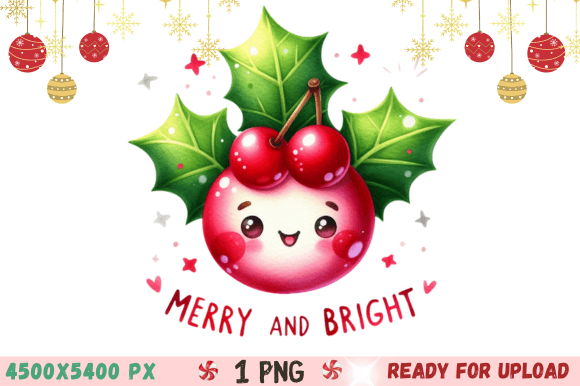
The layout of the Cute Holly Plant is compact yet expressive. It avoids the trap of trying to fit too much detail into a small space, which is a common pitfall in digital embroidery files. The shape suggests a natural cluster of leaves and berries, creating a visual personality that is playful rather than stiff. For a designer looking to create a cohesive collection, this piece feels like it belongs on a cozy winter sweater or a high-end kitchen towel. The lines are clean, and the negative space is handled well, ensuring that the design won't get lost when stitched onto fabric.
What stands out most is how the design translates from screen to thread. In the digital preview, it looks sharp, but the true test is always the physical result. The structure implies a mix of satin stitches for the smooth leaves and perhaps some fill stitches or running stitches for texture. This variety is crucial for adding depth to the final product. When you see a design that promises this kind of textural contrast, you know it will have more "handmade" appeal than a flat, single-stitch graphic. It feels designed for people who appreciate the nuance of thread work.
Real-World Application: From Screen to Stitch
I recently considered using the Cute Holly Plant for a custom order involving embroidered tote bags for a local holiday market. My goal was to create a limited-run gift set that felt personal but looked professionally finished. The design's size and composition made it perfect for placement on the front pocket of a canvas bag or centered on a linen apron. Unlike some complex floral patterns that require massive hoops, this plant motif fits comfortably within standard 4x4 or 5x7 inch frames, making it accessible for home machines as well as industrial setups.
In a scenario where I am producing merchandise for an Etsy shop, the Cute Holly Plant offers versatility. It works beautifully as a standalone element on a baby onesie, providing a soft, non-threatening image that parents love. However, it also scales up effectively for larger projects like pillow covers or throw blankets. The design acts as a strong anchor point for a larger scene or stands alone as a statement piece. When I imagine the finished product, the holly adds a pop of color and seasonal recognition that immediately elevates the perceived value of the item. Customers often judge the quality of a handmade good by the clarity of the embroidery, and this design delivers on that promise.
Where This Design Shines
- Custom Apparel: Whether it is a sweatshirt embroidery project or a t-shirt accent, the design provides a focal point that doesn't overwhelm the garment.
- Holiday Gifts: It is ideal for creating personalized gifts, such as monogrammed tea towels or family matching pajamas.
- Small Business Merchandise: For craft business owners, this design can be used to create branded tags, patches, or promotional items that reinforce brand identity.
- Nursery Decor: The gentle nature of the holly makes it suitable for nursery decor, adding a touch of tradition to a modern room.
Practical Considerations and Potential Pitfalls
While the Cute Holly Plant is a strong candidate for many projects, experienced designers know that context matters. There are specific scenarios where caution is required. If you are working with textured fabrics like heavy bouclé or loose-weave linens, the fine details might not register clearly. Similarly, if you plan to use this on stretchy fabrics like jersey knit without proper stabilization, the design could pucker or distort over time.
One area to watch closely is the density of the stitches. While the design looks crisp digitally, dense areas can sometimes cause issues on thinner fabrics. If you are stitching this onto a thin cotton tee, you must ensure you are using the correct stabilizer to prevent the fabric from pulling. Additionally, if you are attempting to embroider this on dark fabric, the thread color contrast becomes critical. You might need to adjust your thread palette or consider a backing layer to ensure the colors pop against the background.
For curved surfaces like caps or hats, the curvature can alter the perception of the design. What looks symmetrical on a flat hoop might appear slightly skewed once mounted on a curved surface. It is always wise to test the Cute Holly Plant on a scrap piece of the actual garment material before committing to a full production run. This step saves time and prevents costly mistakes, especially when dealing with commercial orders where deadlines are tight.
Designer Notes for Success
- Test Before You Sell: Always run a test stitch on scrap fabric to check tension and alignment.
- Check Thread Colors: Review how your chosen thread colors interact with the fabric texture. High contrast usually yields the best results.
- Stabilizer Matters: Use the appropriate stabilizer for your fabric type to maintain stitch integrity.
- Licensing Check: Confirm the licensing terms before selling finished products or digital assets derived from this design.
- Mockup Testing: Create black and white mockups to visualize the design's silhouette and ensure it reads well even without color.
Impact on Brand and Customer Trust
In the world of handmade goods and commercial embroidery, the difference between a mediocre product and a premium one often lies in the execution of the design. A clear, well-executed Cute Holly Plant signals professionalism to the buyer. It shows that the maker cares about the details and has put thought into the final presentation. This attention to detail builds customer trust and encourages repeat business.
Furthermore, the design's aesthetic aligns well with current trends in personalized gifts and craft business branding. It feels timeless enough to be used year after year but specific enough to capture the holiday spirit. When customers receive a product featuring a clean, well-stitched design, they are more likely to share it on social media, providing free marketing for your Etsy seller shop or boutique. The design serves as a visual asset that enhances the overall story of your brand.
Ultimately, the Cute Holly Plant is more than just a decorative element; it is a tool for creative entrepreneurs. Whether you are a hobbyist looking to make a special gift for a loved one or a seasoned pro expanding your product line, this design offers a reliable foundation for your next embroidery project. By understanding its strengths and respecting its limitations, you can transform a simple digital file into a cherished finished product that brings joy to others.