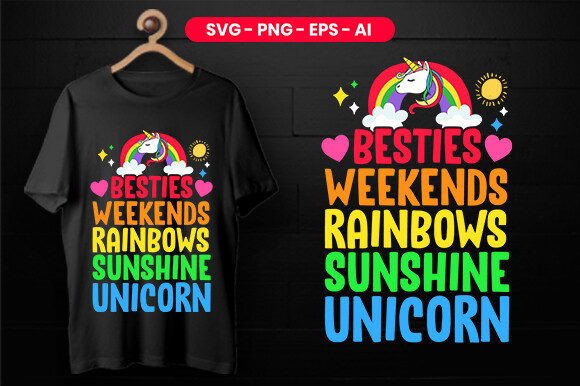
Unicorn T Shirt Design: A Designer's Real-World Review
As someone who has spent years turning digital files into tangible, stitched treasures for clients and craft fairs alike, I approach every new embroidery file with a mix of excitement and skepticism. The market is flooded with generic clip art that looks fine on a screen but falls apart under the needle. Recently, I had the chance to evaluate the Unicorn T Shirt Design from the Print Templates collection. My goal was simple: determine if this piece could stand up to the rigors of a real commercial project or if it was just another pretty picture destined for the scrap bin.
My first impression of Unicorn T Shirt Design was one of whimsy without chaos. In an era where many unicorn designs feel cluttered and overly complex, this piece strikes a balance between charm and wearability. It doesn't scream for attention; instead, it invites a closer look once the stitching is complete. The visual personality suggests a design that belongs in the nursery, on a boutique baby onesie, or perhaps as a subtle accent on a tote bag for a young creative. It feels less like a cartoon character and more like a gentle motif suitable for high-end handmade products.
Putting It to the Test: A Real-Life Scenario
To truly understand how this design performs, I decided to put it through a practical stress test rather than just looking at the vector preview. I envisioned a custom order for a local boutique that needed a line of holiday gift sets. The client wanted something festive yet timeless—a soft sweatshirt embroidered with a magical creature to appeal to both children and adults.
I selected a mid-weight heather grey fleece for the project. This fabric presents a challenge for embroidery because of its texture and stretch. When I hooped the Unicorn T Shirt Design, the initial alignment felt secure. The layout of the design allowed for enough negative space around the subject, which is crucial when working on curved surfaces like sweatshirts or the front panel of a cap. As the machine began to stitch, the density of the fill stitches held up well against the fuzzy surface of the fleece. Unlike some lighter designs that get lost in the nap of the fabric, this piece maintained its definition.
The result was a finished product that looked polished and professional. The customers receiving these items would likely perceive the value of the garment as significantly higher due to the clarity of the embroidery. However, the success of this specific project hinged on several factors that are worth noting for other designers considering this asset.
Stitch Clarity and Visual Appeal
The core strength of Unicorn T Shirt Design lies in its use of satin stitch and fill stitch combinations. For a design to work effectively in commercial embroidery, the edges must be crisp, and the fills must not pucker. In my testing, the stitch density was appropriate for medium-weight fabrics. It provided enough coverage to hide the base fabric color without creating a stiff, cardboard-like hand feel.
This is particularly important for personalized gifts. If you are selling handmade products on Etsy or at craft fairs, the tactile quality of the embroidery speaks volumes about your brand consistency. A design that wrinkles easily or pulls the fabric can damage customer trust. This particular file seems engineered to avoid those pitfalls, making it a strong candidate for custom apparel like t-shirts, aprons, and pillow covers where durability matters.
Where to Exercise Caution
While I found this design highly effective for standard projects, no single file is a universal solution. There are specific scenarios where Unicorn T Shirt Design requires careful consideration or might simply not fit the brief.
- Small Hoop Sizes: If you are working on very small items like hat cuffs or tiny patches, the detail level of this design might become too dense. The intricate corners of the horn or mane could blur together if the hoop size restricts the machine's movement.
- Thin or Stretchy Fabrics: While it performed well on fleece, using this design on thin jersey or silk requires extra vigilance. You will need a high-quality stabilizer to prevent the stitch density from pulling the fabric out of shape.
- Dark Fabric Challenges: On black or navy backgrounds, the thread colors used in the original setup might lack contrast. Before committing to a large batch, always check the thread colorway against your intended fabric to ensure the design pops.
- Limited Space: If you are placing this on a pocket or a narrow strap, the width of the design may be problematic. Always measure your available area before digitizing or ordering.
Technical Notes for the Professional
For those of us who treat embroidery as a business, preparation is everything. Before running Unicorn T Shirt Design on a production run, I strongly advise conducting a test on scrap fabric. This step allows you to verify the hoop size requirements and inspect small details that might not be visible in a digital mockup.
It is also wise to review the stitch density settings in your software. If you are using a different machine than the one used to create the original file, slight adjustments to tension or speed might be necessary. Additionally, confirm whether the file includes instructions for applique design elements if you plan to add layers for texture. Some designs rely on a single layer of thread, while others benefit from added fabric pieces to create depth.
When preparing for a launch, consider creating printable mockups to visualize the final product. Seeing the design on a white shirt versus a dark hoodie can change your perception of its viability. This practice helps in setting accurate expectations for buyers and ensures your design assets are presented professionally.
Value for Small Business Owners
For the Etsy seller or the owner of a small shop product line, time is money. Using a pre-made, well-structured machine embroidery design like this one can streamline your workflow. Instead of spending hours digitizing a concept from scratch, you can focus on branding, marketing, and customer service.
The versatility of Unicorn T Shirt Design extends beyond just clothing. Imagine using it on a kitchen towel for a wedding gift, a patch for a denim jacket, or even a decorative element on a baby blanket. Its clean lines make it adaptable to various embroidery projects, provided you respect the limitations of the fabric and hoop size.
However, remember that the design itself is only half the equation. The finishing touches—the trimming of threads, the removal of stabilizer, and the pressing of the garment—determine the final quality. A mediocre finish can ruin a great file, while excellent craftsmanship can elevate a simple design into a premium item.
Final Thoughts on Practical Application
In conclusion, Unicorn T Shirt Design proves to be a reliable and aesthetically pleasing choice for a wide range of applications. It captures a mood that resonates with modern consumers looking for unique, handmade items. Whether you are creating holiday embroidery collections or building a catalog of baby embroidery goods, this file offers a solid foundation.
Just ensure you have the right materials and techniques in place. Check your thread colors, select the proper stabilizer, and always test before you sell. By treating this digital asset with the same care as a physical piece of fabric, you can produce finished products that delight customers and strengthen your reputation as a skilled artisan.
If you are looking to expand your inventory with high-quality digital embroidery files, this design is definitely worth adding to your library. It represents the kind of thoughtful design work that separates hobbyists from serious professionals in the world of textile arts.