Gold Metallic Design Set: A Designer's Real-World Review
When I first opened the Gold Metallic Design Set, my initial reaction wasn't just about the file itself, but the immediate shift in mood it brought to a project. As someone who has spent years evaluating embroidery designs for everything from high-end boutique branding to quick handmade gifts, I know that texture is often what separates a "nice" stitch job from a truly professional finished product. This set falls squarely into the Textures category, and that distinction matters more than you might think. It isn't just a shape; it is an invitation to add depth, luxury, and a tactile quality that standard thread simply cannot replicate.
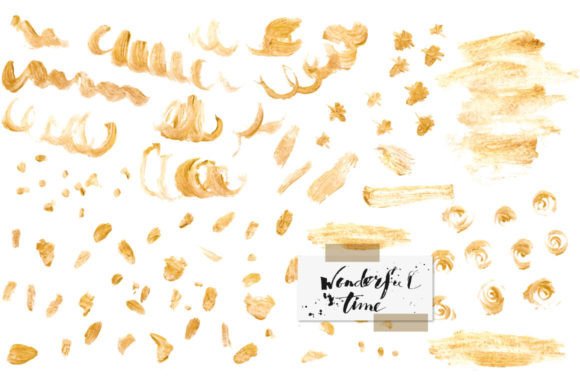
The visual personality of this design set is undeniably elegant. The shapes are crisp, and the layout suggests a focus on highlights rather than heavy coverage. When you look at the digital preview, you can almost feel the sheen of the metallic thread catching the light. It feels like the kind of asset that belongs on a wedding invitation, a premium tote bag, or a custom sweatshirt meant to be worn to a holiday party. It screams "special occasion," which makes it incredibly valuable for Etsy sellers and small business owners looking to elevate their product line beyond basic cotton prints.
Putting It to the Test: A Real-Life Scenario
Last week, I was preparing for a busy holiday season and needed a design for a custom embroidered apron line targeted at local craft fairs. The goal was to create a kitchen towel or apron that felt luxurious enough to justify a higher price point, yet simple enough for a beginner crafter to execute without frustration. I pulled out the Gold Metallic Design Set to test its viability on a real-world canvas.
I selected a heavy-duty canvas fabric for the apron, knowing that metallic threads can sometimes struggle with tension on thinner materials. My plan was to use the design as a central accent on the chest area. Before stitching, I ran through a mental checklist: Is the stitch density appropriate? Will the metallic thread break? Does the design work with a standard hoop size?
The moment the machine started, the difference was palpable. The metallic thread didn't just sit on top of the fabric; it seemed to weave through it, creating a subtle shimmer that changed as the viewer moved around the room. For a custom apparel piece like an apron, this adds a layer of perceived value that customers immediately notice. It transforms a functional item into a decorative gift. If I were selling these at a craft fair, I would pair this with a dark navy or deep forest green fabric to make the gold pop, ensuring the contrast remains sharp even under dim store lighting.
Performance Across Different Projects
While the apron test was successful, I had to consider how this embroidery file would perform across other common projects. The versatility of the Gold Metallic Design Set is one of its strongest points, but it requires specific application strategies depending on the medium.
Apparel and Soft Goods: On sweatshirts and t-shirts, this design shines. The metallic finish adds a streetwear edge when used on hoodies, or a classic sophistication on button-downs. However, I found that on stretchy fabrics like jersey knits, caution is required. The metallic thread is less forgiving than polyester or rayon. If the fabric stretches too much during wear, the stitches can pucker. For sweatshirt embroidery, I recommend using a cut-away stabilizer to ensure the design holds its shape over time.
Baby Items and Nursery Decor: There is something magical about metallic accents on baby clothes. I envision this design set being perfect for a christening gown or a personalized baby blanket. The soft sheen looks beautiful in photos, which is crucial for personalized gifts where parents want to capture memories. Yet, for items that will undergo frequent washing, like baby onesies, I would advise using the design sparingly. Too much metallic thread can become stiff against delicate skin. In this context, it works best as a small detail—perhaps a single star or a tiny monogram—rather than a large block fill.
Home Decor and Accessories: Pillow covers and tea towels are natural homes for this aesthetic. The durability of the metallic thread holds up well on home goods that don't see the same level of abrasion as daily-wear clothing. For a tote bag design, the gold adds a touch of class that appeals to shoppers looking for unique, handcrafted bags. It elevates the brand image of any craft business selling these items.
Where to Exercise Caution
Even the best machine embroidery design has its limitations, and understanding them is key to avoiding costly mistakes. There are specific scenarios where the Gold Metallic Design Set might not be the right tool for the job.
Small Hoop Sizes: If your design includes intricate details or dense areas, shrinking it down to fit a 4x4 hoop can result in lost definition. Metallic threads have a tendency to fray if they are forced through tight spaces. Always check the recommended hoop size before committing to a small patch or a detailed corner of a garment.
Dark Fabrics and Contrast: While gold looks stunning on black, the underlying thread color matters. If the base fabric is very dark, ensure that the metallic thread is opaque enough to cover the background. Sometimes, a backing thread or a specific underlay sequence is needed to prevent the dark fabric from showing through the gaps in the metallic stitches.
Curved Surfaces: Embroidering on caps or hats presents a unique challenge. The curvature can cause the metallic thread to snap if the tension is too tight. For embroidered patches or cap logos, I suggest testing the design on a scrap of the same material first to adjust the tension settings on your machine.
Dense Stitch Areas: Metallic threads generally require lower stitch density than standard threads. If the design file has extremely dense fill stitches, the resulting texture might be too thick and uncomfortable. Always review the stitch density in your digitizing software to ensure the design is optimized for metallic usage.
Practical Notes for the Professional Designer
Before you start running production on your next batch of commercial embroidery projects, there are a few non-negotiable steps to take. First, always test the design on scrap fabric. You need to verify that the thread colors you plan to use complement the metallic effect. Sometimes, a gold thread looks different on screen than it does in person, especially when paired with specific fabric textures.
Check your stabilizer choices carefully. Metallic threads often benefit from a slightly heavier stabilizer to support the weight of the thread and prevent puckering. Also, inspect the small details in the design. Are there tiny corners that might get lost? Does the satin stitch transition smoothly into the fill stitch? These nuances determine whether the final product looks mass-produced or artisanal.
If you are a digital product seller or a creative entrepreneur, remember to review the licensing terms. Confirm whether you can sell finished products made with this design or if there are restrictions on the number of units. Transparency here builds trust with your customers and protects your brand consistency.
Finally, don't rely solely on digital mockups. While printable mockups are great for marketing, they cannot show the physical reality of the thread. Create a physical sample to photograph for your listings. The way the light hits the metallic texture in real life is a powerful sales tool that no digital render can fully capture.
In conclusion, the Gold Metallic Design Set is a versatile and impactful addition to any designer's library. It brings a sense of occasion and quality to handmade products that resonates deeply with buyers. Whether you are creating a bespoke gift, expanding your Etsy shop inventory, or working on a large-scale commercial project, this design offers the potential for stunning results—if handled with the care and technical knowledge it deserves.